 saba copper | Online store for copper products
 Author: plusgroup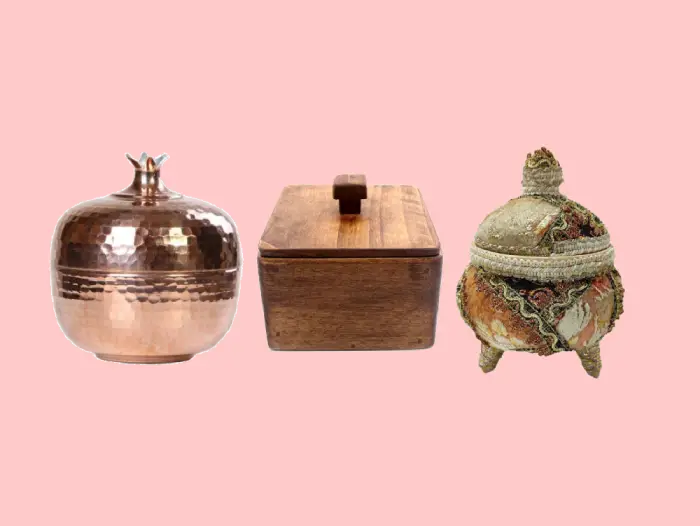
Traditional Persian Sugar Bowls: A Nostalgic Touch in Modern Homes
In today’s fast-paced world, where modern and minimalist lifestyles are rapidly replacing traditional ones, traces of Iran’s rich cultural heritage still grace many homes. One such charming element is the traditional Iranian sugar bowl , a piece that is far more than just a container for sugar. Placed on a tea tray, it evokes memories of grandmother’s house, cozy evening gatherings, and the timeless Iranian tea culture.
The Cultural and Decorative Value of Traditional Sugar Bowls
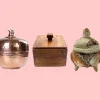
Handcrafted Traditional Iranian Sugar Bowls are not only functional—they are a significant part of Iranian table aesthetics and decorate. Available in various forms and materials like pottery, porcelain, brass, and copper, each type adds a distinct charm to its surroundings.
In this article, we’ll explore:
- Key factors to consider when buying a traditional Iranian sugar bowl
- A comparison of the most common types
- Why the copper pomegranate sugar bowl stands out as a top choice for lovers of Persian craftsmanship
Types of Traditional Iranian Sugar Bowls & Their Features
1. Pottery Sugar Bowls
Popular in central and southern Iran, these bowls are typically handmade and decorated with colorful glazes and traditional motifs. Light in weight and rustic in feel, they are perfect for warm, traditional settings.
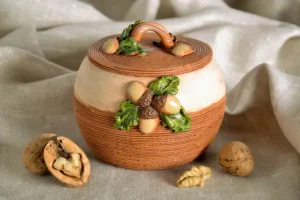
Pros: Affordable, artisan designs, culturally rooted
Cons: Fragile, may absorb moisture if not fully glazed
2. Porcelain or Ceramic Sugar Bowls
Common in more formal and classic homes, Persian porcelain sugar bowls often feature floral patterns, soft colors, and glossy finishes. Influenced by European aesthetics, many also retain a distinctly Iranian touch.
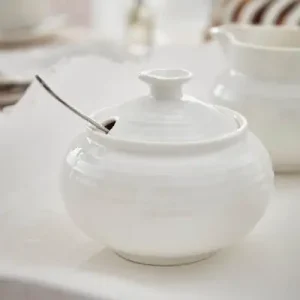
Pros: Elegant appearance, easy to clean, smooth finish
Cons: Breakable, less traditional feel in some designs
3. Brass Sugar Bowls
Known for their shiny golden tone, brass sugar bowls bring a regal and traditional feel to the table. Heavier in weight, they are available in both plain and intricately engraved designs.

Pros: High durability, ornamental appeal
Cons: Require maintenance to prevent tarnish, relatively expensive
4. Wooden Sugar Bowls
Recently trending, especially in rustic and minimalistic decors. Wooden sugar bowls add a natural, warm touch to any space and are often finished with plant-based oils.

Pros: Lightweight, natural look, non-breakable
Cons: Sensitive to humidity, may crack over time
5. Copper Sugar Bowls – A Cultural Icon
The spotlight of this article is the copper sugar bowl—a quintessential example of Iranian artistry. Whether polished or hammered, its warm, radiant surface offers both utility and a decorative touch.
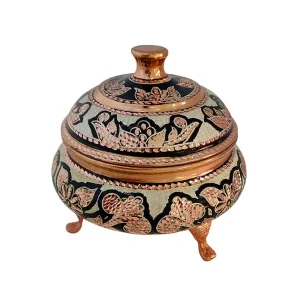
Pros:
- Long-lasting and sturdy
- Corrosion-resistant with proper interior coating
- Perfect match for copper tea sets, trays, and samovars
- Strong cultural and artistic value
Cons:
- Needs occasional polishing to maintain shine
- Heavier than other materials
Pomegranate-Shaped Copper Sugar Bowl: Symbol of Art and Meaning
One of the most beloved designs is the pomegranate-shaped Iranian copper sugar bowl, whose lid opens like the crown of a pomegranate. Deeply rooted in Iranian symbolism—representing fertility, love, and prosperity—this piece serves both as a functional item and a decorative art object.
Perfect for Yalda Night, Nowruz gifts, or as a traditional keepsake, these sugar bowls are often decorated with engraving or hammer work and come in both plain and enamel-coated versions.
Why It’s Popular:
- Iconic and meaningful design
- Both decorative and practical
- Ideal as a gift
- Fits perfectly in traditional and fusion decorate styles
How to Choose the Right Traditional Iranian Sugar Bowl
1. Usage: Decorative or Functional?
Determine whether the sugar bowl will be used daily or serve as decorate. Ornate models like the pomegranate may be less practical for frequent use but excel in visual impact.
2. Size and Capacity
Larger families or hosts may prefer bowls with more capacity, while compact designs suit small spaces or personal use.
3. Craftsmanship and Finish
Check the lid’s fit, ensure there are no sharp edges, and examine the finish—whether glossy, matte, or engraved—for quality.
4. Interior Coating (Especially for Metal Bowls)
High-quality metal sugar bowls, especially copper, should have a food-safe interior coating like tin or lacquer to prevent oxidation and preserve the sugar.
5. Aesthetic Match with Your Tea Set or Decorate
Coordinate the sugar bowl with your teaware or home decorate. For instance:
- Use a copper sugar bowl with a copper tea set
- Combine traditional forms like the pomegranate bowl with modern-traditional interiors
- Choose simpler models for minimalist aesthetics
6. Ease of Cleaning and Maintenance
For daily use, select bowls that are easy to clean. While copper requires occasional polishing, enamel-coated or wooden options need less upkeep.
Final Thoughts: Why Copper Sugar Bowls Are a Timeless Choice
Among the many traditional Iranian sugar bowls, the copper sugar bowl holds a special place. It beautifully combines function, artistic expression, and cultural identity. Handcrafted by skilled artisans, each piece tells a story of heritage and craftsmanship.
Unlike glass or porcelain options, which are mainly utilitarian, copper bowls offer a unique decorative flair while remaining fully functional. Signature styles like the pomegranate bowl add symbolic meaning and visual elegance to any setting.
Copper items have always led the way in durability and design harmony with traditional tea sets. With proper care, they can last for generations and become cherished family heirlooms.
If you’re looking for a sugar bowl that is practical, visually striking, culturally rich, and deeply connected to Iranian heritage, the copper sugar bowl is the ideal choice—a true symbol of refined taste and respect for timeless artistry.