 saba copper | Online store for copper products
 Author: sahar salehi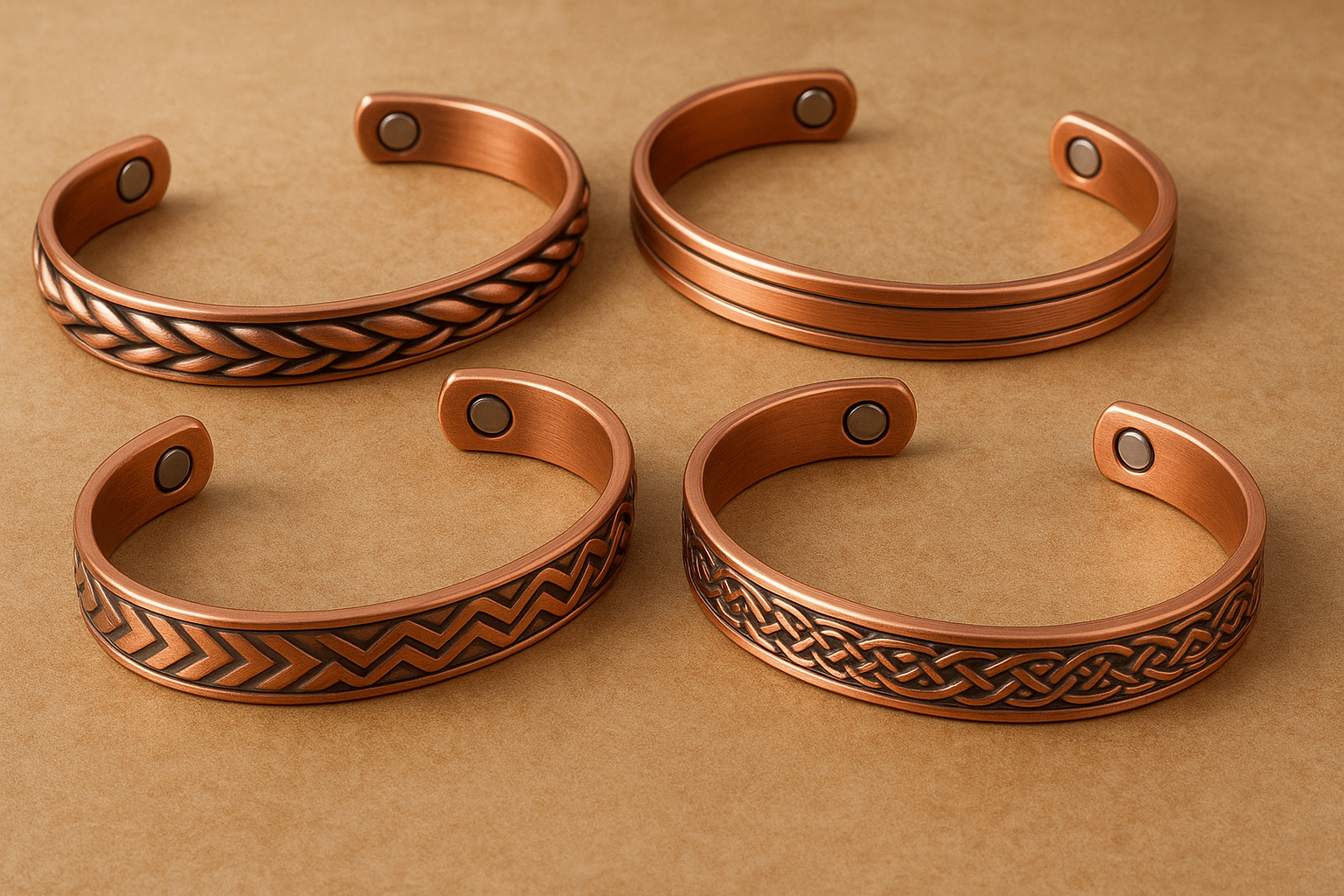

For centuries, people have turned to metals and minerals for their perceived healing properties. Among them, the magnetic copper bracelet stands out as one of the most widely used natural wellness accessories. The belief in magnetic copper bracelet healing combines two alternative therapies—copper absorption and magnetic field therapy. But does wearing one truly deliver relief, or is it mostly a placebo effect?
In this article, we’ll explore the history, claims, science, benefits, risks, and tips for choosing a quality bracelet.
What Is a Magnetic Copper Bracelet?
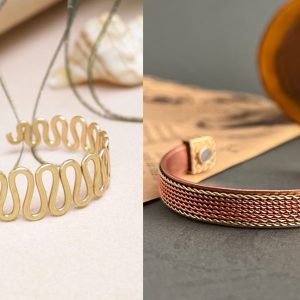
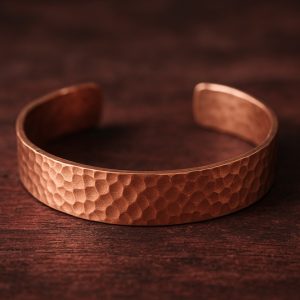
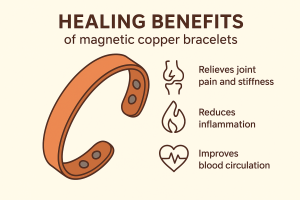
A magnetic copper bracelet is usually a wristband made of high-purity copper with small magnets embedded along the band. Advocates claim that when worn regularly, the bracelet can:
- Relieve joint pain and stiffness
- Reduce inflammation
- Improve blood circulation
- Promote overall well-being
These claims stem from two ideas:
- Copper absorption: Supporters believe copper ions can enter the body through the skin and help ease inflammation.
- Magnetic therapy: Magnets are thought to affect blood flow and pain perception.
A Historical Look at Copper Healing
Copper has been used as a healing metal for thousands of years. Ancient Egyptians used copper for sterilization, and Greek physicians prescribed it for headaches and fatigue. In Ayurvedic medicine, copper water vessels have been used for their believed anti-inflammatory effects.
Magnets, too, have a long history in alternative health. Traditional Chinese medicine linked magnetic energy to balancing life force, while European healers in the 16th century promoted magnetic stones for pain relief.
When combined in a bracelet, these traditions merged into what is today marketed as magnetic copper bracelet healing.
How Are They Supposed to Work?
Proponents suggest the following mechanisms:
- Copper ion absorption – The idea is that trace copper enters the bloodstream through sweat and skin contact, possibly reducing inflammation.
- Magnetic field influence – Magnets may alter the orientation of red blood cells, improving circulation and oxygen flow.
- Pain signal modulation – Some suggest magnets affect nerve pathways to reduce pain perception.
- Placebo effect – Perhaps the strongest explanation, belief in healing often influences how we feel physically.
What Does Science Say About Magnetic Copper Bracelet Healing?
Despite centuries of anecdotal use, modern studies don’t strongly support the claims.
- A 2013 randomized controlled trial on rheumatoid arthritis patients tested magnetic and copper bracelets against placebos. Results showed no measurable effect on pain, inflammation, or physical function.
- A 2009 study on osteoarthritis also concluded that neither magnetic straps nor copper bracelets provided significant relief beyond placebo.
- The Arthritis Foundation clearly states that magnets and copper bracelets do not ease arthritis pain.
So while many users report positive experiences, science suggests the effect may be psychological, not physiological.
Why Do Some People Feel Better?

Even without hard scientific backing, many people swear by their bracelets. Possible reasons include:
- Placebo effect – Believing in the bracelet’s power can change how pain is perceived.
- Natural symptom fluctuation – Arthritis pain naturally rises and falls, so improvements may be coincidental.
- Comfort and warmth – Wearing a snug copper band may provide mild compression and warmth.
- Personal meaning – Some treat the bracelet as a symbol of wellness, which can boost confidence and positivity.
Benefits of Magnetic Copper Bracelets
Even if not scientifically proven, there are still potential benefits to wearing one:
- Low risk – Generally safe for most people
- Non-invasive – No drugs or injections involved
- Fashionable accessory – Doubles as jewelry
- Psychological support – May help wearers feel more in control of their health
Risks and Limitations
While safe for most, there are some considerations:
- Skin irritation – Copper may cause greenish stains or mild allergic reactions.
- No medical guarantee – Should not replace professional treatment.
- Interference with devices – Magnets can affect pacemakers or other implants.
- False expectations – Believing too strongly in “healing” can delay real treatment.
Choosing the Right Bracelet
If you decide to try one, here’s what to look for:
- Material purity – Look for “pure copper” labels.
- Magnet strength – Around 500–3,000 gauss is typical.
- Comfort design – Adjustable, smooth edges, hypoallergenic coating.
- Brand reputation – Buy from trustworthy sellers with good reviews.
- Clear disclaimers – Ethical sellers clarify that bracelets are not medical devices.
How to Use a Magnetic Copper Bracelet
- Wear daily on one wrist for several hours.
- Switch wrists occasionally for comfort.
- Remove at night if uncomfortable.
- Track your symptoms honestly to judge if it works for you.
Who Might Benefit Most from Magnetic Copper Bracelet Healing?
Although clinical trials question their effectiveness, certain groups may still find value in magnetic copper bracelets. People who enjoy holistic wellness practices often appreciate the symbolic comfort they provide. Those with mild, non-chronic discomfort may feel encouraged by the placebo effect, which itself can be powerful. Additionally, many wearers choose them as conversation pieces or daily reminders of health goals. In this sense, magnetic copper bracelet healing can act as a motivational tool, even if its impact is more psychological than medical.
Honest Marketing: Wellness, Not Cure
When writing or shopping for these bracelets, remember:
- They are wellness accessories, not proven medical cures.
- Science does not confirm magnetic copper bracelet healing for arthritis or pain.
- They may still provide value as jewelry and psychological support.
Being transparent about these facts builds trust and credibility.
The fascination with magnetic copper bracelet healing blends tradition, belief, and wellness culture. While scientific evidence shows little support for pain relief or inflammation reduction, many users still enjoy wearing them for comfort, style, and psychological reassurance.
If you choose to wear one, select a high-quality bracelet, be mindful of limitations, and always consult your healthcare provider for serious medical conditions.