 saba copper | Online store for copper products
 Author: plusgroup
What Is the Best Water Bottle for Daily Use? A Comprehensive Guide
Drinking water is one of the most essential needs of the human body, and the quality of the bottle we use directly affects our health, water taste, and even our lifestyle. As more people prioritize their health, a simple but important question arises: What is the best water bottle for daily use?
Choosing the right water bottle isn’t just about looks or style—it involves key factors like material safety, temperature retention, portability, environmental impact, and durability.
In this article, we’ll compare the most common water bottle materials, explore their pros and cons, and help you decide which one is best for your needs.
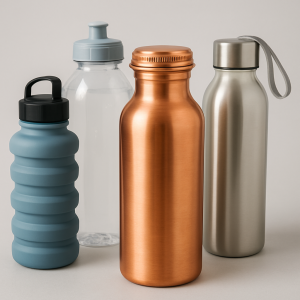
Types of Water Bottles and Material Comparison
1. Plastic Water Bottles
Pros:
- Lightweight and portable
- Affordable price
- Wide variety of colors and designs
Cons:
- May leach chemicals like BPA
- Can alter water taste over time
- Less durable than other options
- Non-biodegradable and harmful to the environment
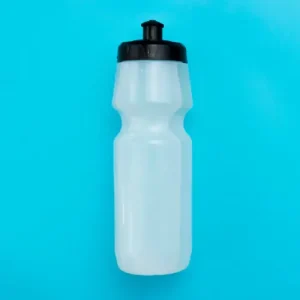
Who it’s for:
Plastic water bottles are often preferred by students and athletes. However, long-term use—especially in sunlight or heat—can negatively impact water quality and taste.
2. Stainless Steel Water Bottles
Pros:
- Highly durable and impact-resistant
- No chemical leaching
- Great temperature retention (in double-walled models)
Cons:
- Heavier than plastic
- May alter the taste of water in some cases
- Higher price point
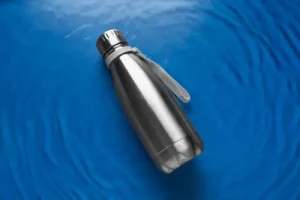
Who it’s for:
Ideal for hikers, travelers, and those looking for long-lasting, safe water bottles.
3. Glass Water Bottles
Pros:
- Pure taste with no chemical interference
- 100% recyclable and eco-friendly
- No leaching of harmful materials
Cons:
- Fragile and breakable
- Heavier than plastic
- Often requires a silicone sleeve for protection
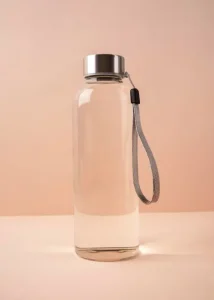
Who it’s for:
Best for office workers, yoga enthusiasts, and health-conscious individuals who value water purity over portability.
4. Silicone Water Bottles
Pros:
- Lightweight, flexible, and collapsible
- Travel-friendly
- Easy to clean
Cons:
- May retain odors or colors
- Requires food-grade silicone for safety
- Moderate durability
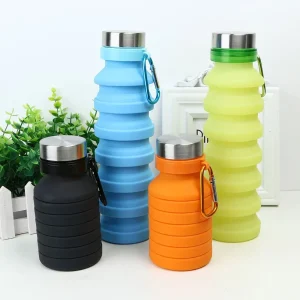
Who it’s for:
Perfect for travelers and people with limited bag space looking for compact hydration solutions.
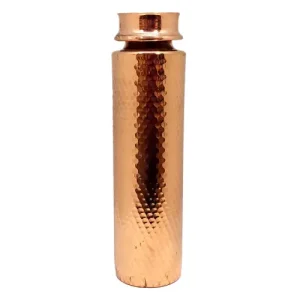
5. Copper Water Bottles
Pros:
- Naturally antibacterial and antimicrobial
- Supports immune system function
- Keeps water cool with a unique taste
- Elegant and traditional appearance
Cons:
- Requires regular cleaning
- Not suitable for acidic liquids (e.g., lemon water)
- Higher cost
Who it’s for:
Copper bottles have gained popularity both in ancient traditions and modern wellness trends. They are especially recommended for morning hydration, offering both health and aesthetic benefits.
Key Factors for Choosing the Best Water Bottle for Daily Use
✅ Purpose of Use
- Athletes: Durability and lightness are key
- Office Workers: Design and comfort are important
- Elderly or Pregnant Women: Safe, non-toxic materials are a must
✅ Size and Capacity
- Choose 1L or more if you drink large amounts daily
- 500ml to 750ml is sufficient for moderate users
✅ Ease of Cleaning
- Wide-mouth bottles are easier to clean
- Check if it’s dishwasher safe
✅ Temperature Retention
- For hot/cold water, opt for insulated stainless steel or copper bottles
Is a Copper Bottle Really Better? (Scientific Perspective)
Studies show that storing water in a copper dishes for 8–10 hours can eliminate many harmful bacteria. Copper also plays a key role in:
- Red blood cell formation
- Brain function
- Blood pressure regulation
Traditional medicine and modern science both highlight the health benefits of drinking water from copper vessels—especially first thing in the morning.
How to Use a Copper Water Bottle Properly
- Clean every two weeks with lemon juice or vinegar
- Avoid storing acidic liquids
- Fill at night, drink in the morning for maximum benefit
Why Copper Bottles Offer a Superior Drinking Experience
Combining health benefits, aesthetic appeal, durability, and cultural authenticity, copper bottles provide a well-rounded hydration experience. While other materials have their advantages, copper stands out as a balanced choice for both wellness and elegance.
The Psychology of Color and Design in Bottle Selection
🧠 How Color Affects Your Bottle Choice
People often unconsciously choose water bottles based on color and design. Cool, natural colors—like light blue, olive green, matte copper, and stainless steel—are associated with purity, freshness, and health. These tones are ideal for promoting hydration and wellness.
Bright, industrial colors—such as neon red or glossy black—may feel less aligned with health-conscious lifestyles.
Copper bottles, typically available in natural or patinated finishes, convey warmth, tradition, and trust—adding emotional appeal to their functional benefits.
🖐️ Shape and Ergonomics
The ideal water bottle design should:
- Fit comfortably in your hand
- Easily fit into bags or backpacks
- Feel solid and well-crafted
Traditional copper bottles often mimic ancient Persian or Indian vessels, offering unique personality and a sense of heritage.
✨ Touch and Feel
Unlike plastic or silicone, natural metal provides a distinct tactile experience. Copper’s cool feel adds to the refreshment of drinking water, especially in hot weather. Its weight contributes to a feeling of quality and substance.
Conclusion: Choosing the Right Water Bottle for a Healthier Life
While the best water bottle ultimately depends on your needs and lifestyle, here’s a quick summary:
- For travel & convenience: Go with silicone
- For pure taste: Choose glass
- For durability: Stainless steel
- For health & tradition: Copper is king
Final tip:
If you’re looking for a unique, healthy, and culturally rich way to stay hydrated, a copper water bottle might be the best water bottle for daily use.